Pre Reading; Your child will learn the picture of the ABC letter and therefore be familiar by the time in school.

I wouldn’t say your toddler is going to read at three and understand what is read.  However, a fun headstart at home can be a fun way to spend the afternoon.
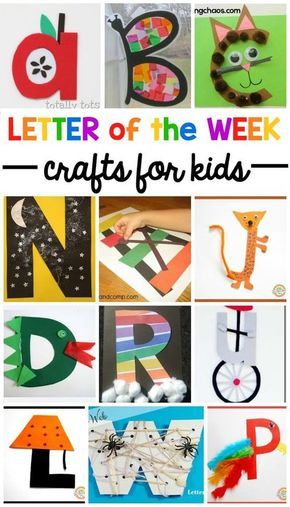
For any daycare teachers reading my blog, you can help by building a scaffolded memory which will help lengthen focus time and fine motor skills in a fun and predictable way for you to plan.  Help preschoolers and kindergartners remember the shape and sound of the ABCs with adorable letter of the week crafts.

To young children, a letter is just a symbol and has no meaning. The fun and adorable letter of the week crafts are a motivating way to solidify the association between sound and symbol.

Find a whole year’s worth of letter of the week crafts and please repeat them.  Children love to know what their learning is used in the future lessons.  You can use one simple and fun craft for each letter of the alphabet.

Find more on pinterest or make up your own using the local library in picture section and search the letter representing an animal or item you like, house (Halloween is a good time for H), that is fun for your child.  Amplifying the lesson with a matching book makes this an activity and quality time spent with your child one to remember.

You’ll find some common word associations, like “A is for apple,” but you’ll also find some crafts that are further outside the box, like “L is for lamp.” Enjoy your quality time and local library.
Discovery through Science

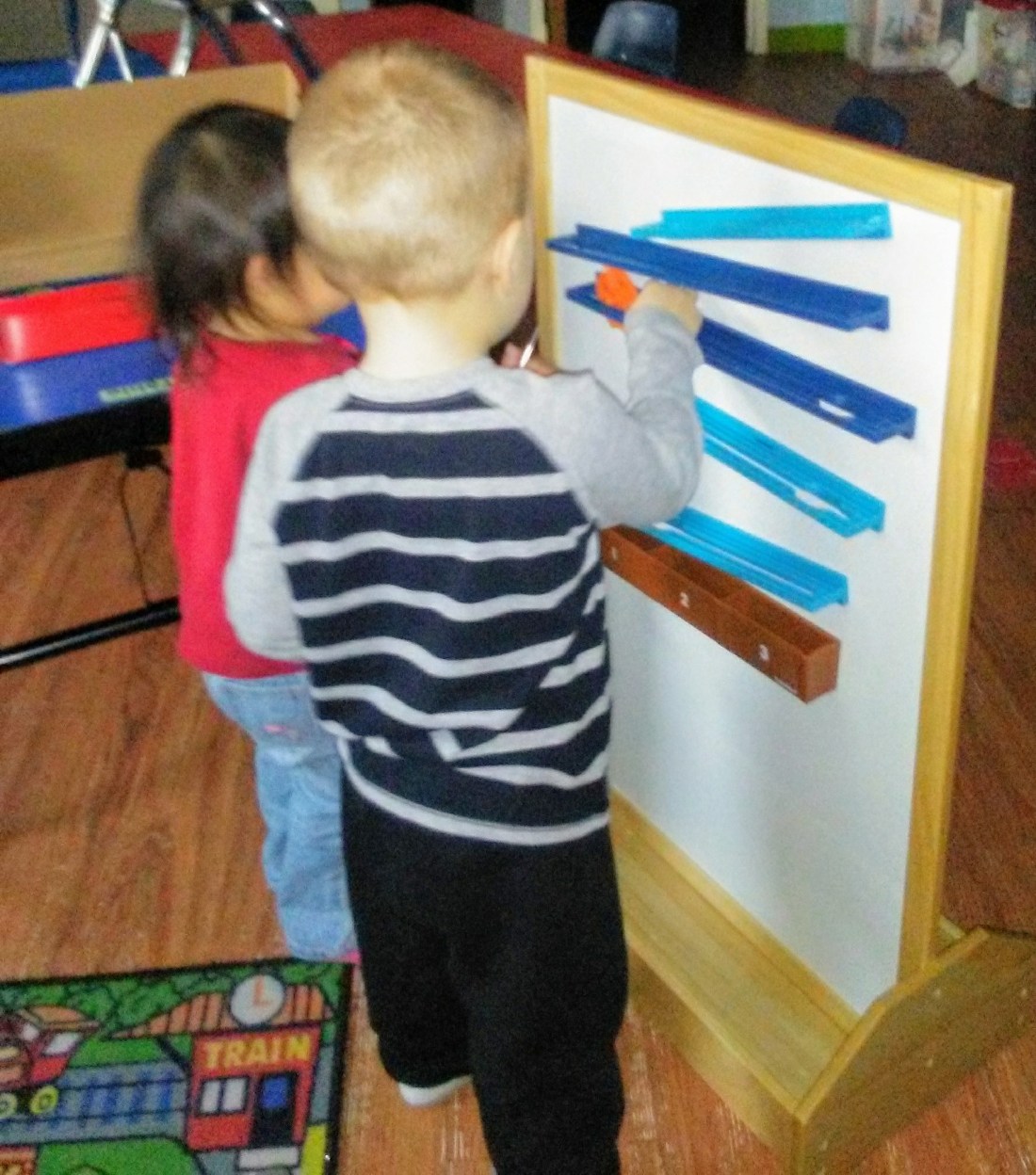
I find that once children take an interest on wheels of vehicles they can easily transition to physics. It’s our job to present the right questions to engage the investigations about various preschool experiments like fast and slow, sink and float, and balls bouncing higher then slow down.

Children’s natural curiosity needs to be tended to as if it were a garden. Their thoughts are the flowers. They, like so many other lessons, should be introduced at the appropriate developmental time periods.

I find a successful succession of physics to be one that involves a start with rolling balls, then building blocks, next putting puzzles together, and then wheels on vehicles.

After the foundation has been built, the questioning can begin as children have some background knowledge to scaffold new information. Science can begin by developing their sense of discovery. Investigations, observations, and group experiments can prepare children to think. Mothers can teach their children Science.

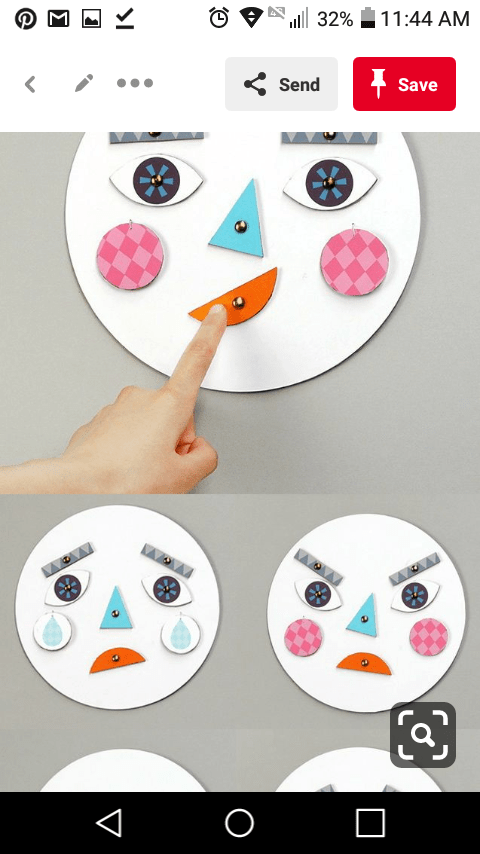
Social Emotional Learning

Parents will soon develop a temperament of tolerance by the time their toddler is age two.

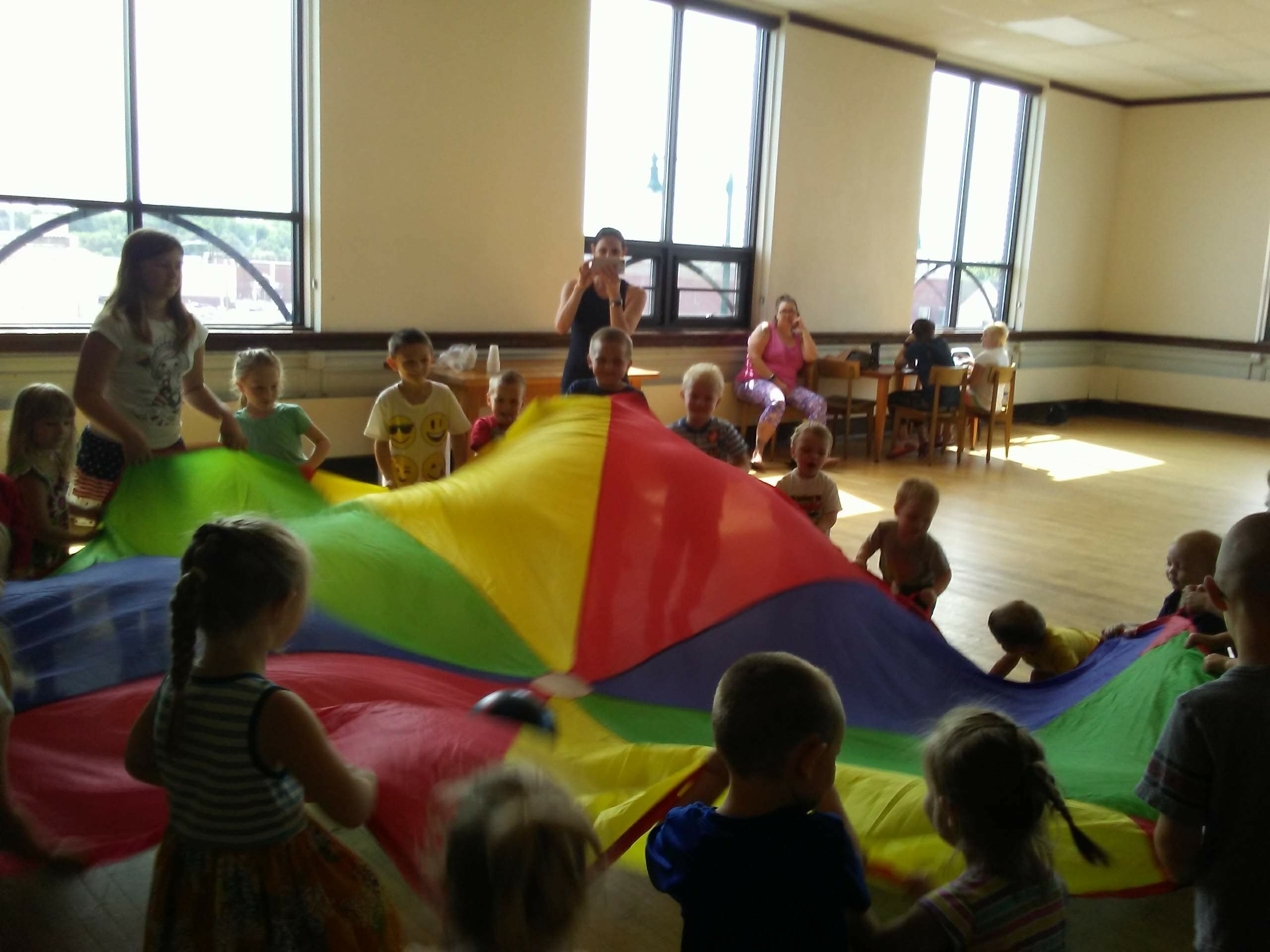
Group activity like this ball rolling event in parachute material is a goal for many mothers. They can only hope their child to make it a half hour without screaming or running around the room.

One starting point for group play is indendependent play. This is only one goal for toddlers. Play like this one can be an exciting and fun learning experience. The skills developed through independent play help to develop intentional curiosity.

A teacher can put a truck in front of a child or a child in front of a bunch of trucks, but if the child can not be curious about them,we can begin to see social problems emerge. A teacher can be a guide to play by posing questions about the trucks with repeated interaction. A role model teacher can establish and instill the investigative strategies about how to play by themselves and ultimately play well with other children.

Visit my Pinterest page for more hands on ideas!

https://pin.it/42c55bq2sbkwat